


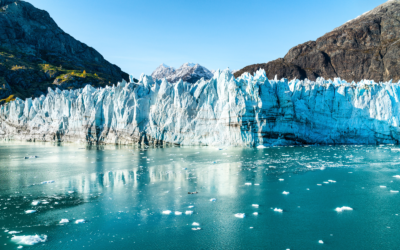
Imagine waking up to find the Himalayas’ glaciers have vanished—rivers running dry, food prices soaring, and extreme weather becoming the new normal. This isn’t a distant nightmare; it’s unfolding right now.
Recognising the urgency, the United Nations General Assembly has declared 2025 as the International Year of Glaciers’ Preservation (IYGP). As part of this global effort, March 21 will mark the World Day for Glaciers, highlighting their role in regulating Earth’s climate and sustaining freshwater supplies.
Glaciers are more than frozen landscapes—they influence ocean currents, weather patterns, and water availability across continents. Yet, rising global temperatures and human-driven environmental changes are causing them to melt at alarming rates, threatening ecosystems, economies, and communities worldwide.
"Glaciers in many regions will not survive the 21st century if they keep melting at the current rate, potentially jeopardising hundreds of millions of people living downstream, UN climate experts said on the first World Day for Glaciers."UN News
The Hidden Consequences of Glacier Melt
Think glaciers don’t affect you? Think again. That glass of water, the rice on your plate, the monsoon rains—everything is connected. As glaciers disappear, entire ecosystems are thrown off balance, with devastating ripple effects across the globe.
In Peru, farmers who once relied on glacier-fed rivers are watching their lands dry up. In the Alps, ski resorts struggle as snow levels drop. The signs are everywhere—are we paying attention?
From food security to natural disasters, glacier loss is already reshaping lives in ways many don’t realise. Without urgent action, the consequences will only grow more severe.
Glacier loss isn’t just about distant mountains—it’s reshaping our world. According to the IPCC, sea levels in the North Indian Ocean are rising at an accelerating rate of 3.3 mm per year, signalling an urgent need for action. If we don’t act now, these hidden consequences will soon become irreversible.
Glaciers: The Silent Guardians of Life
Glaciers do more than just sit frozen in remote regions—they help regulate the Earth’s climate. Acting like natural air conditioners, they reflect sunlight, keeping global temperatures in check. As they melt, their influence on ocean currents shifts, disrupting monsoons and seasonal weather patterns that billions of people rely on.
Beyond climate control, glaciers are a crucial source of freshwater. Many major rivers originate from glacier-fed mountains, supplying water for drinking, agriculture, and hydropower. In regions like the Himalayas and the Andes, entire communities depend on glacial meltwater for survival.
However, as glaciers shrink, these benefits start to disappear, leading to water shortages and unpredictable climate shifts. Their loss isn’t just a distant concern—it’s a global issue with consequences for everyone.
The Causes of Glacier Melting
Glaciers are disappearing at an alarming rate, and the primary culprit is global warming. Rising temperatures accelerate ice melt, disrupting the delicate balance that keeps glaciers stable.
What’s melting them faster than they can replenish? The answer lies in human activities.
- Greenhouse gas emissions—mainly from burning fossil fuels—trap heat in the atmosphere, raising global temperatures. Carbon dioxide (CO₂), methane, and industrial pollution have dramatically increased since the Industrial Revolution, pushing glaciers into a rapid decline.
- Another major factor is black carbon deposits, tiny soot particles from industries, vehicles, and wildfires. When these particles settle on glaciers, they darken the surface, absorbing more sunlight and causing faster melting.
- Deforestation and land-use changes worsen the problem by reducing the planet’s ability to absorb CO₂. With fewer trees to filter carbon, more heat gets trapped, intensifying glacial melt.
These causes aren’t happening in isolation; they’re interconnected, forming a vicious cycle that speeds up climate change. If we don’t take action, glaciers will continue to vanish, leading to severe global consequences.
How Glacier Melt Affects Us—Even If We Live Far from the Poles
It’s easy to think of glacier melting as a distant problem, but its impact reaches every corner of the world—including regions far from the poles. The effects are already visible in ways that affect our daily lives.
Rising Sea Levels and Floods
As glaciers melt, sea levels rise, increasing the risk of flooding in coastal cities and low-lying regions. Even inland areas aren’t safe—rivers that receive excess meltwater can overflow, causing destructive floods.
Extreme Weather Changes
With less ice reflecting sunlight, the Earth absorbs more heat, leading to:
- Hotter summers and more heatwaves, making cities unbearably warm.
- Unpredictable monsoons and droughts, disrupting farming and water availability.
- More intense storms, as shifts in ocean temperatures fuel stronger hurricanes and cyclones.
Freshwater Shortages
Glaciers supply major rivers like the Ganges, Yangtze, and Colorado, which provide drinking water and irrigation for millions. As they shrink, these water sources become unreliable, leading to shortages in homes and farms.
Food Prices and Agriculture Disruptions
Less water for crops means lower yields, making food scarcer and more expensive worldwide. What happens in one region affects global food markets, impacting everyone.
Biodiversity Loss and Disease Spread
Melting glaciers disrupt marine and land ecosystems. Warmer temperatures allow disease-carrying insects, like mosquitoes, to spread into new areas, increasing the risk of infections like dengue and malaria.
Glacier melt is not just a polar issue—it’s a global crisis. Understanding its impact can help us take action before the consequences worsen.
Are Indian Coastal Cities Sinking Faster?
With sea levels in the North Indian Ocean rising at an accelerating rate of 3.3 mm per year, as reported by the IPCC, the threat is no longer distant—it’s unfolding now. Infrastructure, livelihoods, and millions of lives are at stake, demanding urgent adaptation strategies.
According to RMSI’s coastal flood modeling based on IPCC data, Mumbai, Chennai, Kochi, Visakhapatnam, Mangalore, and Thiruvananthapuram are among the key Indian coastal cities facing severe flood risks. With rising sea levels, a significant portion of their population, property, and infrastructure is projected to be underwater by 2050.
With these accelerating impacts, investing in resilient urban planning, coastal defences, and sustainable water management is no longer a choice but a necessity.
Furthermore, to address the growing risks of glacier melt, India must prioritise robust adaptation strategies, including relocation plans for its most vulnerable coastal cities.
Strategies for Glacier Preservation
Glacier preservation is crucial for maintaining climate balance, water security, and biodiversity. While reversing the damage is difficult, there are effective ways to slow glacier melt and protect these vital ice reserves.
Reducing Carbon Footprint
One of the most impactful solutions is lowering greenhouse gas emissions. This can be achieved through:
- Renewable energy adoption – Switching to solar, wind, and hydropower reduces reliance on fossil fuels.
- Energy efficiency in daily life – Using LED lights, better insulation, and reducing energy wastage at home and work helps cut emissions.
- Sustainable transport choices – Choosing public transport, electric vehicles, carpooling, or cycling reduces carbon pollution.
Minimising Black Carbon Emissions
Black carbon, a major contributor to glacier melt, comes from industrial activities and burning fuels. To reduce its impact, we must:
- Control industrial and vehicular pollution through cleaner fuels and emission standards.
- Promote sustainable agriculture, avoiding harmful practices like stubble burning.
- Prevent wildfires and forest degradation, which release massive amounts of black carbon into the atmosphere.
Reforestation and Land Conservation
Forests play a key role in absorbing carbon dioxide. Protecting and expanding green cover helps:
- Planting trees to naturally capture CO₂.
- Preventing deforestation to maintain climate stability.
Scientific and Technological Innovations
Advancements in technology offer promising solutions:
- Geoengineering techniques, such as reflective sheets placed on glaciers, help slow melting.
- Improved monitoring systems using satellites and AI can track glacier loss and predict changes.
- Sustainable urban planning, like green buildings and better waste management, reduces climate impact.
Glacier preservation requires action at all levels—from individual choices to global policies. By making sustainable changes today, we can help protect these frozen reservoirs for future generations.
The Role of Individuals and Communities
Protecting glaciers is not just the responsibility of scientists and policymakers—every individual and community has a role to play. Small actions, when multiplied, can create a significant impact.
How People Can Make a Difference
Raising awareness is the first step. Individuals can:
- Educate others about glacier melt and climate change.
- Push for policy changes by supporting environmental initiatives and sustainable laws.
- Support eco-conscious businesses and encourage industries to adopt green practices.
Daily Sustainable Habits
Simple lifestyle choices can collectively reduce carbon emissions and slow glacier melt:
- Saving energy by turning off unused lights, using energy-efficient appliances, and insulating homes.
- Reducing water waste to lower the energy used in water processing.
- Choosing eco-friendly products and minimising plastic consumption.
Encouraging Policy and Corporate Action
Individuals can influence governments and corporations to take climate action by:
- Voting for leaders committed to strong climate policies.
- Holding businesses accountable for their environmental impact.
Supporting Climate Advocacy Groups
Many organisations work towards environmental protection. People can:
- Donate to climate research and advocacy groups.
- Volunteer or participate in community clean-ups, tree-planting drives, and awareness campaigns.
By making conscious choices and advocating for change, individuals and communities can help protect glaciers and combat climate change effectively.
Conclusion
Glacier melt isn’t just an environmental issue—it’s a crisis that affects water security, food supply, and global weather patterns. If we don’t act now, the consequences will be irreversible.
But change is possible. From reducing emissions to supporting sustainable policies, every effort counts. The question isn’t whether we can save them—it’s whether we care enough to try.